
Sugar
Description
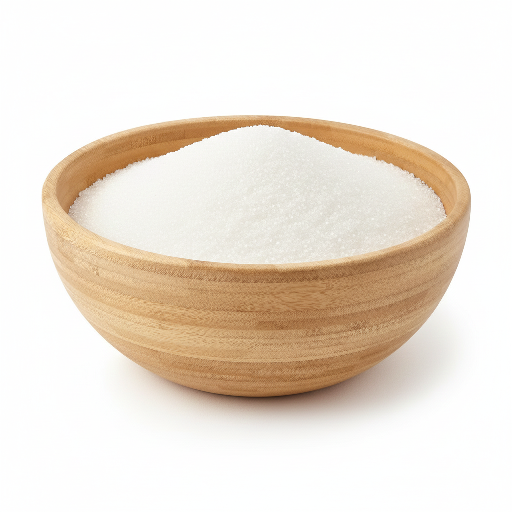
Sugar is a sweet-tasting carbohydrate, a type of food providing energy, with common forms like sucrose (table sugar) being double sugars (disaccharides), made of simpler sugars (monosaccharides) like glucose and fructose. Plants create sugars through photosynthesis, and while naturally present in fruits, the refined sugar in your pantry is extracted from sources like sugarcane or beets. The body breaks these down for quick energy, but it’s important to distinguish between naturally occurring sugars and added/free sugars in processed foods.
Types of Sugar (Carbohydrates)
- Monosaccharides (Simple Sugars): Single sugar units like glucose, fructose, and galactose.
- Disaccharides (Double Sugars): Two monosaccharides bonded together, like sucrose (glucose + fructose), lactose (glucose + galactose), and maltose (two glucose units).
Key Characteristics
- Chemical Makeup: Sugars are compounds of carbon, hydrogen, and oxygen.
- Energy Source: They are the body’s primary fuel, especially for the brain, providing 4 calories per gram.
- Natural vs. Added: Sugars exist in fruits and milk, but refined sugars are added to many processed foods; these behave similarly in the body but come from different sources, notes the Better Health Channel.
Additional information
| Packing | 1 Kg, 10 Kg, 5 Kg |
|---|
Reviews
There are no reviews yet.