
AMARNATH Seed
Description
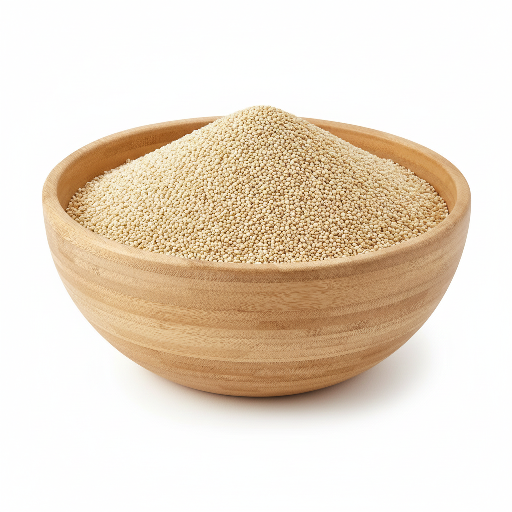
Amaranth seeds, also known as Rajgira or Ramdana in India, are tiny, gluten-free seeds derived from the amaranth plant. Although they are often prepared and eaten like grains such as rice or oats, amaranth is botanically classified as a pseudocereal because it does not belong to the grass family.
Key Characteristics
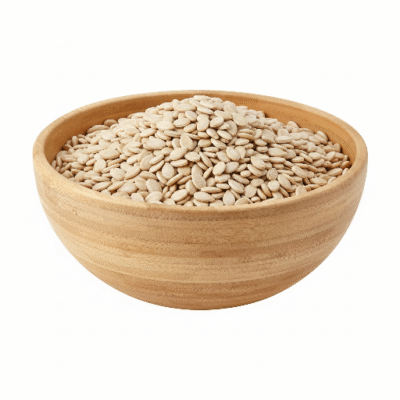
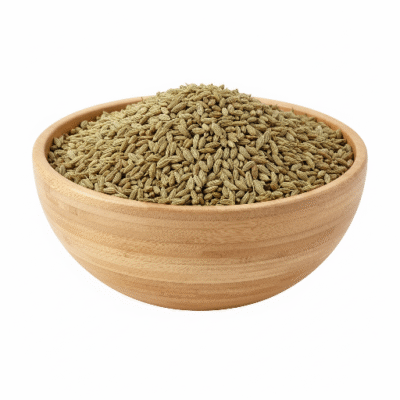
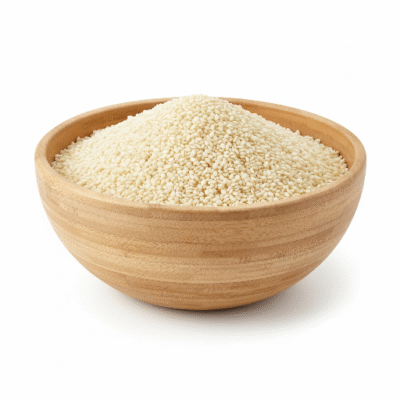
- Appearance: The seeds are extremely small (about 1mm in diameter) and typically light tan, gold, or creamy-white in color, though some varieties are reddish or dark.
- Flavor & Texture: They have an earthy, nutty, and slightly sweet flavor. When cooked, they develop a porridge-like consistency, while popping them provides a crunchy texture similar to tiny popcorn.
- History: An ancient crop, amaranth was a staple food for the Aztec, Inca, and Maya civilizations, who also used it in religious ceremonies.
Nutritional Benefits
Amaranth is considered a “superfood” due to its dense nutrient profile:
- Complete Protein: It contains all nine essential amino acids, including lysine, which is often missing in other cereal grains like wheat or rice.
- Rich in Minerals: It is a high source of manganese, magnesium, phosphorus, iron, and calcium.
- Gluten-Free: Naturally safe for individuals with celiac disease or gluten sensitivities.
- Fiber & Antioxidants: High in dietary fiber to support digestion and rich in antioxidants like phenolic acids.
Common Culinary Uses
- Porridge: Boiled in a 3:1 ratio of water to seeds for a hot breakfast cereal.
- Popped Amaranth: Heated in a dry skillet until they pop; these are used in snacks, granola, or as toppings for salads and soups.
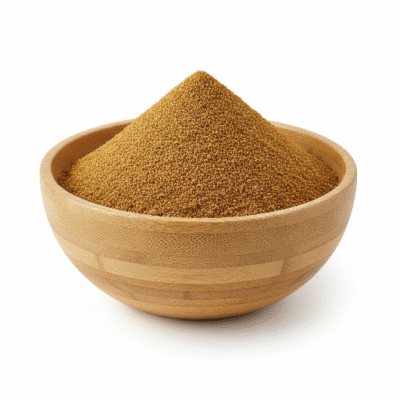
- Flour: Ground into flour for gluten-free baking of flatbreads (like chapatis or tortillas), muffins, and pancakes.
- Indian Tradition: Widely used during fasting (vrat) because it is not considered a true grain. It is commonly made into Laddoos (sweet balls) using jaggery or honey
Reviews
There are no reviews yet.