
LAL MIRCH (Red Chili Powder)
₹350.00
FOREST HONEY
Original price was: ₹400.00.₹350.00Current price is: ₹350.00.METHI (Fenugreek Seeds)
Description
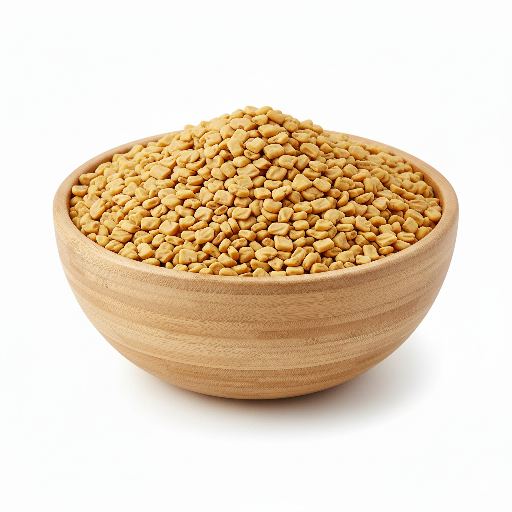
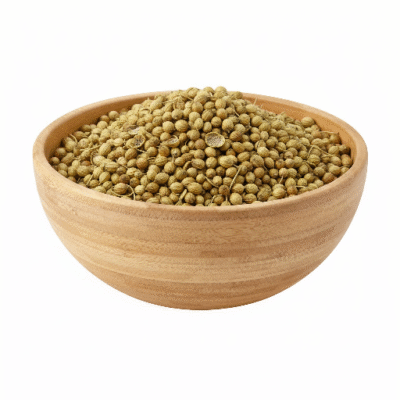
Fenugreek seeds are the small, golden-brown, cuboid seeds of the fenugreek plant (Trigonella foenum-graecum), a herbaceous annual in the legume family. Known as methi in South Asia, these seeds have been used for thousands of years as both a culinary spice and a traditional medicine.
Characteristics
- Appearance: Small (about 5mm), hard, and angular seeds with a characteristic deep furrow on one side.
- Flavor & Aroma: They have a strong, sweet, and nutty aroma—often compared to maple syrup—and a pleasantly bitter taste reminiscent of burnt sugar.
- Origin: Native to the Mediterranean region and Western Asia; today, India is the world’s largest producer.
Common Uses
- Culinary: A staple in Indian, Middle Eastern, and North African cuisines. They are used whole or powdered in curries, spice blends (like garam masala), pickles, and flatbreads.
- Dietary Supplements: Often taken as capsules, powders, or teas to support various health goals.
- Food Industry: Used as a flavoring agent in imitation maple syrup, beverages, and tobacco, and as a stabilizer or thickening agent.
Nutritional Profile
A single tablespoon (approx. 11 grams) of whole seeds contains roughly:
- Calories: 35
- Fiber: 3g
- Protein: 3g
- Iron: 20% of the Daily Value (DV)
- Minerals: Significant amounts of manganese and magnesium.
Reported Health Benefits
Research suggests potential benefits, though high-quality human evidence varies:
- Blood Sugar Management: Soluble fiber and compounds like 4-hydroxyisoleucine may improve insulin sensitivity and slow carbohydrate absorption.
- Lactation Support: Traditionally used as a galactagogue to stimulate breast milk production in nursing mothers.
- Testosterone & Libido: Some studies indicate it may help boost testosterone levels and enhance sexual function in men.
- Heart Health: May help lower “bad” LDL cholesterol and triglycerides.
Safety and Precautions
- Allergies: People with allergies to peanuts or chickpeas may react to fenugreek.
- Pregnancy: Large doses are not recommended as they may induce uterine contractions or impact fetal development.
- Side Effects: Overconsumption can cause diarrhea, gas, or a “maple syrup” odor in sweat and urine.
- Interactions: It may interact with blood thinners and diabetes medications.
Additional information
| Weight | 25 kg |
|---|
Reviews
There are no reviews yet.